
Justice Secretary Jesus Crispin Remulla has confirmed that the Philippine government is currently protecting three to four witnesses involved in the International Criminal Court’s (ICC) investigation into former President Rodrigo Duterte’s controversial war on drugs.
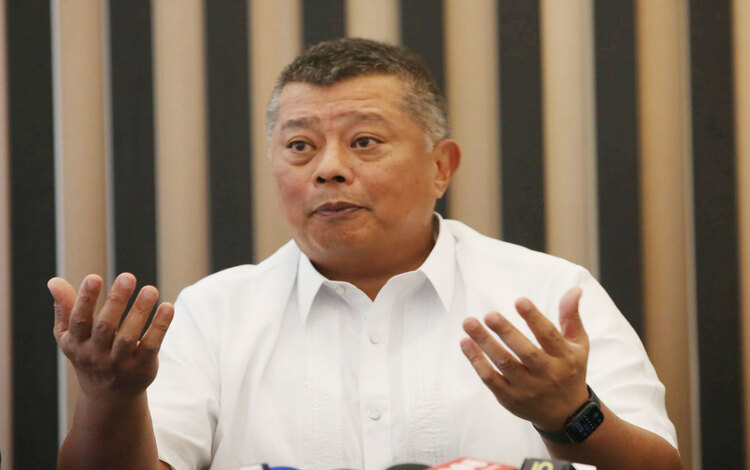
In a media briefing, Remulla disclosed that the ICC formally requested the Philippines to ensure the safety and well-being of the witnesses. “We will protect the witnesses. Whatever it takes to protect the witnesses, we will do it. Because prosecution would rely on these witnesses,” Remulla said.
The witnesses are under protective custody only while they remain within Philippine territory, the Justice Secretary clarified. However, he did not rule out the possibility of more witnesses being placed under government protection should additional requests arise.
This development comes amid the ICC’s ongoing probe into alleged crimes against humanity linked to thousands of drug-related killings during the Duterte administration. Although the Philippines officially withdrew from the Rome Statute—the treaty that established the ICC—in 2019, the Court maintains it has jurisdiction over crimes committed during the country’s membership period.
Remulla emphasized that the government’s assistance does not conflict with its existing policy stance. “We already chose not to pursue the cases and let the ICC pursue these cases. Given that, it also becomes our obligation to help them because we are giving up our jurisdiction for their jurisdiction,” he explained.
The Justice Secretary also acknowledged that any move to rejoin the ICC would require national consensus. “That decision has to be made as a country,” he said, suggesting that it would involve broader legislative and public consultation.
The Duterte administration’s drug war remains one of the most polarizing issues in Philippine politics. While some defend it as a necessary crackdown on crime, human rights advocates have condemned it as a campaign that enabled extrajudicial killings and widespread abuse.
The decision to cooperate with the ICC—at least in terms of witness protection—signals a notable shift in tone from earlier government resistance. It also raises questions about future levels of engagement with international legal mechanisms as the country grapples with issues of justice, accountability, and sovereignty.