
Retired Supreme Court Justice Disputes Chiz Escudero’s Use of 2003 Davide Case as Justification for Senate Action on Duterte Impeachment
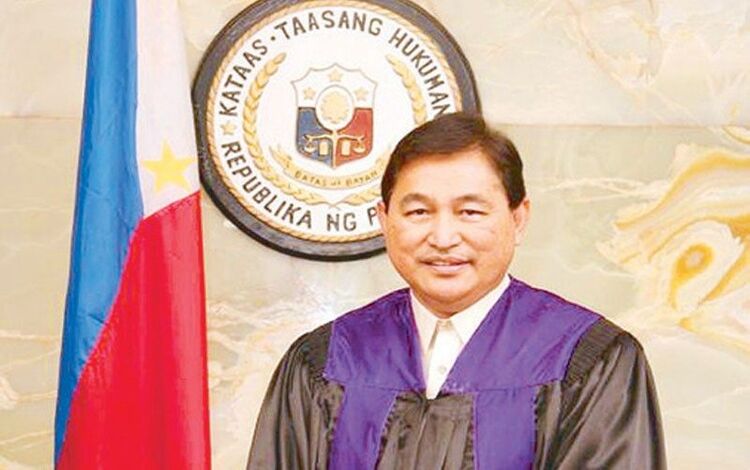
Retired Supreme Court Associate Justice Adolfo Azcuna has publicly disputed Senate President Francis “Chiz” Escudero’s comparison of the 2003 impeachment attempt against former Chief Justice Hilario Davide Jr. to the recent voiding of the impeachment complaint against Vice President Sara Duterte.
In a televised interview on Thursday, Azcuna—a framer of the 1987 Constitution and former justice during the Davide proceedings—clarified that the Supreme Court never issued a temporary restraining order (TRO) in the 2003 case. Instead, he said, the Court merely released a resolution urging all parties to maintain the status quo, thereby avoiding a direct injunction on the House of Representatives and preventing a constitutional crisis.
“We did not want to issue a TRO against the House,” Azcuna stated. “We merely appealed to all the parties to maintain the status quo. It was not a court order—it was a respectful request.”
Azcuna’s remarks directly challenge Escudero’s narrative presented during the August 6 Senate session, where the Senate president defended the chamber’s decision to archive the impeachment articles against Duterte. Escudero referenced the 2003 case, asserting that the Supreme Court had intervened with a TRO, citing it as precedent for adhering to the current High Court ruling.
The Supreme Court recently voided the impeachment complaint against Duterte, declaring it unconstitutional—a decision now under fire from several retired justices and legal scholars who believe it amounts to judicial overreach.
Escudero, however, stood firm, suggesting the critics were displaying selective memory and political bias. “Why were they silent back then? Those same justices now objecting voted in favor of the Court’s position in 2003,” he said in Filipino.
But according to Azcuna, the situations are fundamentally different. He explained that the 2003 impeachment involved the first mode, requiring a hearing in the House, while the Duterte complaint used the second mode—endorsed directly by one-third of House members—allowing it to go straight to the Senate.
“In this case, the Constitution doesn’t require a hearing. But the Supreme Court now says there must be one. That is rewriting the Constitution,” Azcuna emphasized.
As debate continues, Azcuna’s rebuttal adds weight to mounting concerns over the judiciary’s recent ruling and its broader implications on constitutional checks and balances.