
Former Ako Bicol party-list representative Zaldy Co, a key stakeholder in the multibillion-peso flood control controversy, has been traced to Japan as the government accelerates enforcement actions following the issuance of arrest warrants. Interior Secretary Jonvic Remulla confirmed the development on Friday, underscoring that the administration is pushing end-to-end accountability to maintain operational integrity across public institutions.
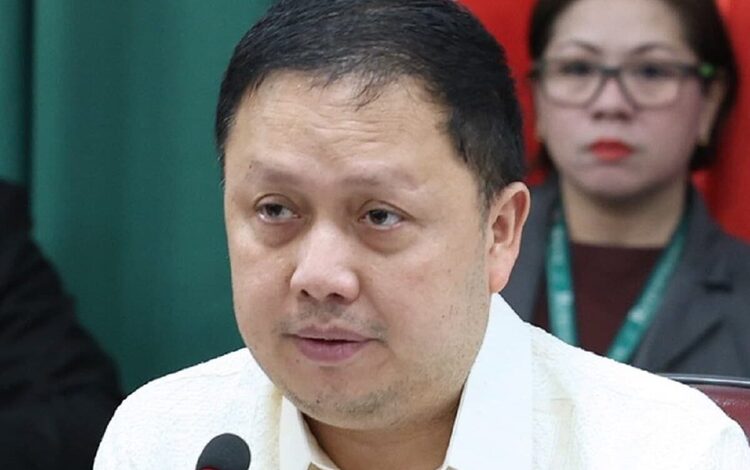
According to Remulla, intelligence coordination placed Co in Japan shortly after President Ferdinand “Bongbong” Marcos Jr. announced that the former lawmaker—along with 17 others linked to the alleged anomaly—now faces active warrants of arrest. Co has repeatedly resisted calls to return to Manila, triggering full-scale compliance protocols from the Department of the Interior and Local Government (DILG).
In an interview with dzBB Super Radyo, Remulla doubled down on the government’s position, affirming readiness to activate procedural levers to bring Co home. “Hindi kami maiisahan dito. As long as we have the legal authority, kukunin namin sya,” he said, signaling a robust, future-proofed roadmap for cross-border enforcement.
With a formal case now filed, Remulla said the government will initiate a request for a red notice through Interpol—effectively elevating Co’s status to an internationally tracked fugitive. In parallel, the DILG aims to coordinate with the Department of Foreign Affairs to nullify Co’s passport, a strategic move intended to narrow his mobility footprint and accelerate repatriation efforts. These escalations reflect a traditional but proven approach: tighten procedural controls to ensure accountability pipelines remain aligned with long-standing governance standards.
The timeline of Co’s movements has also drawn scrutiny. In September, the House of Representatives disclosed that the former legislator had left the Philippines to seek medical treatment in the United States. Data from the US Customs and Border Protection further validated that he arrived in New York on August 26 and departed on September 13. After exiting the US, authorities believe he proceeded to Japan, where he was most recently located.
As the investigation gains traction, the administration is leaning into a hybrid strategy—leveraging legacy enforcement frameworks while adopting agile, next-gen coordination protocols with international partners. The government’s posture signals that any attempt to circumvent accountability will be met with comprehensive, cross-agency action to uphold public trust and operational continuity.