
Interior and Local Government Secretary Jonvic Remulla said on Wednesday that the Philippine government will uphold and implement any validated arrest warrant issued by the International Criminal Court (ICC), including one that may involve Senator Ronald “Bato” dela Rosa.
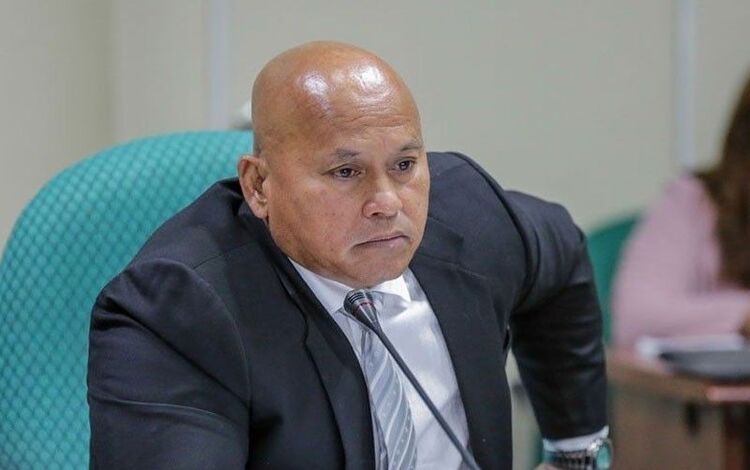
His statement comes amid ongoing controversy surrounding an alleged ICC warrant tied to the court’s investigation into the previous administration’s deadly anti-drug campaign.
Secretary Remulla clarified that the government will only act once the warrant’s authenticity is fully verified by competent agencies. “Kung lumabas ang warrant of arrest as validated by the [Philippine Center for Transnational Crime] or the DOJ or Interpol, edi aarestuhin namin siya,” he said in an interview on GMA’s Balitanghali. The remark underscored that enforcement hinges entirely on confirmation from national and international law enforcement bodies.
The issue resurfaced last November when Ombudsman Jesus Crispin Remulla—Secretary Remulla’s elder brother—claimed he had seen a copy of an ICC arrest warrant involving Dela Rosa but noted it was not yet authenticated. His statement triggered speculation within political circles, especially because no official communication from the ICC has been publicly released.
Senator Dela Rosa has since kept a low profile in the Senate, avoiding public appearances after the Ombudsman’s revelation. The former Philippine National Police chief served as the primary implementer of former president Rodrigo Duterte’s aggressive “war on drugs,” which resulted in thousands of deaths and is now the subject of the ICC’s crimes against humanity probe. Dela Rosa has repeatedly defended the anti-drug campaign, rejecting allegations of systematic abuses.
Meanwhile, former president Duterte is currently detained at the ICC custodial facility in The Hague, Netherlands. He faces accusations of orchestrating a violent state policy that led to widespread extrajudicial killings during his administration.
The Philippine government’s latest stance—affirming that it will enforce any validated ICC warrant—adds a new layer of uncertainty to the political landscape. It also marks a more explicit position on the ICC issue compared to previous statements from national officials, who have often maintained that the court has no jurisdiction over the country.
As the ICC continues its investigation and local authorities await formal verification of any warrants, the political and legal stakes surrounding the Duterte-era drug war remain high, with potential consequences for some of its most prominent architects.