
Prosecutors at the International Criminal Court (ICC) have disclosed more than 1,300 pieces of evidence to the defense team of former Philippine president Rodrigo Duterte, marking another major development in the crimes against humanity case linked to his controversial anti-drug campaign.
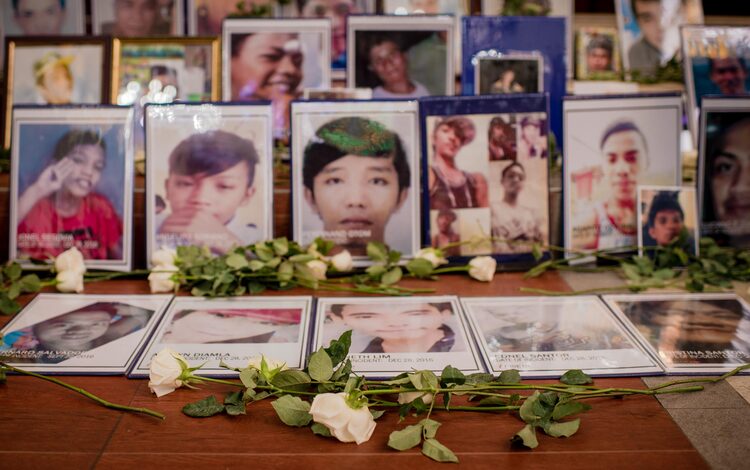
In a public notification released by Pre-Trial Chamber I, the Office of the Prosecutor confirmed that 1,303 evidentiary items were turned over between July and December 2025 in compliance with the court’s continuing disclosure requirements. The materials are part of the ongoing pre-trial proceedings examining allegations of widespread extrajudicial killings committed during Duterte’s presidency.
Court records show that 906 of the items were classified as incriminating, while 389 were disclosed under Rule 77 of the ICC’s Rules of Procedure and Evidence — information that may assist the defense. An additional eight items were categorized as potentially exculpatory, indicating possible lines of defense.
According to prosecutors, the incriminating materials — detailed in a confidential annex — largely focus on alleged murder as a crime against humanity, particularly involving police operations known as “barangay clearance operations” and actions against so-called “high value targets.” Other documents address the broader context of crimes against humanity and the alleged modes of liability attributed to Duterte.
Despite the large volume of material disclosed, the prosecution clarified that it does not intend to rely on the newly submitted evidence at the upcoming confirmation of charges hearing. The disclosure, they said, reflects continuing investigative obligations rather than the evidentiary foundation for advancing the case to trial.
The release of evidence came as ICC judges rejected a series of defense motions centered on Duterte’s health and detention status.
Earlier, Pre-Trial Chamber I unanimously denied a defense request to compel disclosure of all communications between the Court’s Registry and an independent panel of medical experts tasked with assessing Duterte’s fitness to stand trial. The defense argued that emails, letters, and phone records were necessary to verify the experts’ instructions and sources.
However, the three-judge panel — Presiding Judge Iulia Antonnella Motoc, Judge Reine Adélaïde Sophie Alapini-Gansou, and Judge María del Socorro Flores Liera — ruled the request unwarranted, stating the defense already possessed all essential information through official reports and court transmissions.
The medical evaluation was ordered in September 2025 after the defense sought an indefinite postponement of proceedings. The experts submitted their joint and individual findings on December 5.
Separately, prosecutors opposed another defense request for a new expert report assessing Duterte’s health in relation to potential flight risk. The defense cited alleged weight loss and declining health, but prosecutors countered that existing expert findings showed Duterte retained sufficient cognitive capacity, undermining claims that he could not flee.
Victims’ legal representatives supported the prosecution’s position, warning that the defense was attempting to transfer judicial decisions to medical experts and unnecessarily delay proceedings already postponed indefinitely.
Duterte surrendered to the ICC on March 12, 2025, following the issuance of an arrest warrant days earlier. He has remained in custody at the ICC detention center in The Hague. The case, stemming from his administration’s “war on drugs,” continues as the next round of court submissions is scheduled for January 7, 2026.