
The International Criminal Court (ICC) has released a significant document outlining alleged co-perpetrators connected to the controversial anti-drug campaign initiated during the administration of former Philippine President Rodrigo Duterte. The document, titled “Document Containing the Charges,” details individuals who were reportedly involved in operations targeting suspected criminals during the height of the government’s intensified war on illegal drugs.
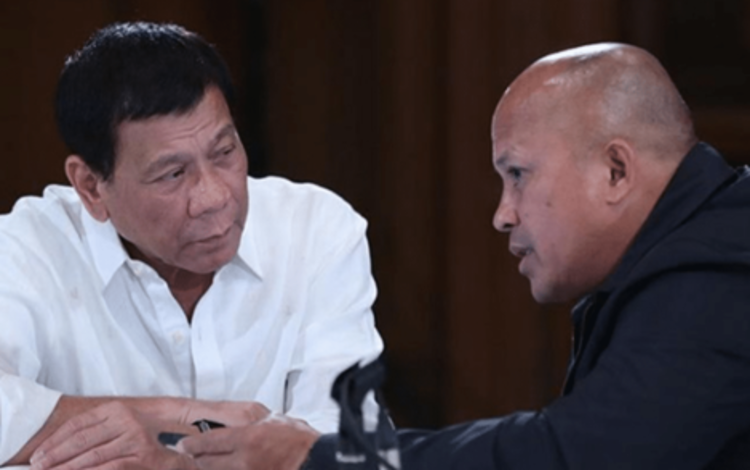
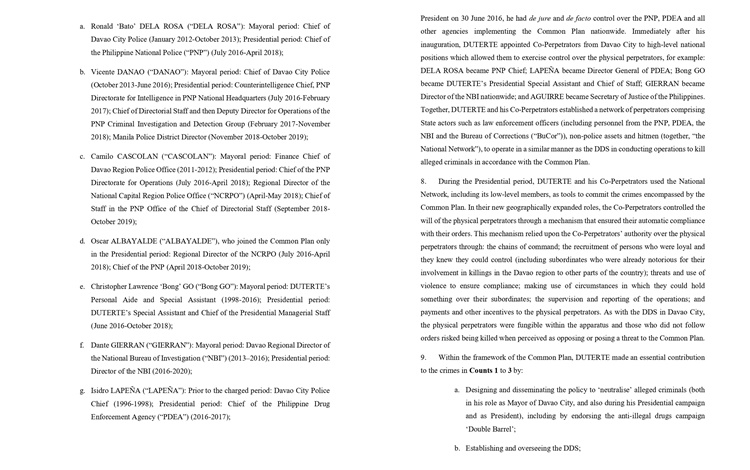
According to the report, investigators identified several high-profile figures believed to have played key roles in planning and executing anti-drug operations. Among those named is Senator Ronald “Bato” Dela Rosa, who previously served as the chief of the Philippine National Police (PNP) and was widely regarded as a central figure in the implementation of Oplan Tokhang. The program involved police officers conducting house-to-house visits to encourage suspected drug personalities to surrender, though it later drew widespread criticism due to allegations of human rights violations.
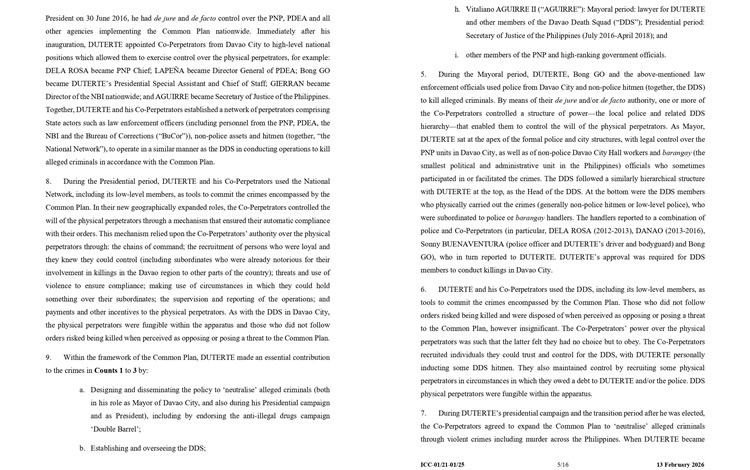
The ICC document also mentioned Senator Christopher “Bong” Go, a longtime ally of Duterte, along with former PNP officer Vicente Danao and former PNP Chief Oscar Albayalde. These individuals were allegedly connected to various operational and administrative decisions related to the anti-drug campaign. The tribunal noted that the accusations are part of an ongoing legal process and remain subject to further investigation and court proceedings.
The release of the document marks another major development in the ICC’s probe into alleged crimes against humanity linked to the anti-drug drive. Human rights groups have long claimed that thousands of individuals were killed in anti-drug operations, with critics arguing that some victims were deprived of due process. Meanwhile, supporters of the campaign have maintained that it was necessary to address the country’s illegal drug problem and improve public safety.
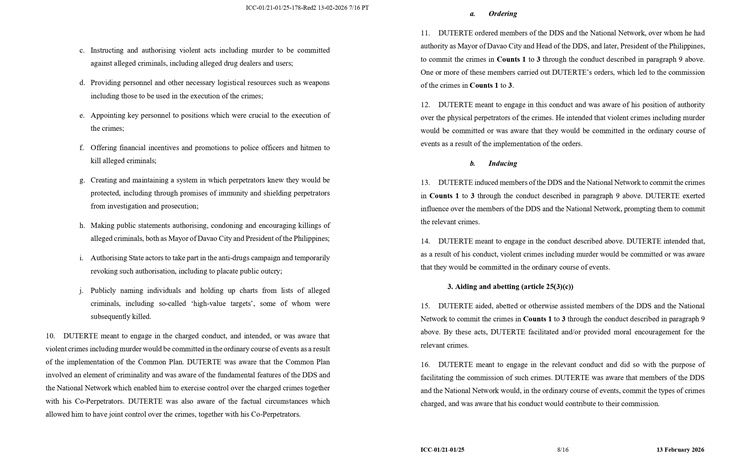
Legal analysts say the identification of alleged co-perpetrators could broaden the scope of accountability as the case progresses. The ICC continues to gather evidence, evaluate testimonies, and review official records to determine whether formal charges will be pursued against those named in the document.
As the investigation moves forward, the case is expected to remain a focal point in discussions about law enforcement, human rights, and political accountability in the Philippines.