
In a historic and highly consequential shift, Mojtaba Khamenei has been named the new Supreme Leader of Iran, succeeding his father, Ayatollah Ali Khamenei, following a decision by the Assembly of Experts. The announcement, carried by Iranian state media, came after weeks of speculation about Ali Khamenei’s declining health and his sudden withdrawal from public life amid escalating US‑Israeli military pressure in the region.
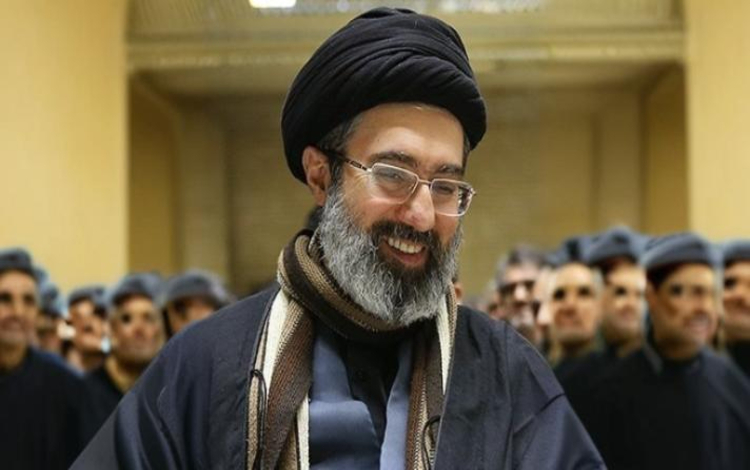
Mojtaba Khamenei, 56, steps into the position at a time of intense geopolitical tension. For years, he has been considered a powerful yet elusive figure within Iran’s political and security establishment. While much of his influence operated behind the scenes, his elevation to the highest authority in the Islamic Republic confirms what many analysts predicted: a consolidation of power within the Khamenei family and Iran’s hardline leadership circle.
Born on September 8, 1969, in Mashhad, Iran, Mojtaba Khamenei grew up in the heart of the Islamic Revolution’s rise. He pursued Islamic theology in the holy city of Qom and later served in the Islamic Revolutionary Guard Corps (IRGC) during the Iran‑Iraq War. Over the past two decades, he has built a reputation as a key strategist and confidant to his father, cultivating strong ties to Iran’s military, intelligence, and clerical hierarchies.
Despite his low public profile, Mojtaba’s influence has been unmistakable. He has been widely regarded as one of the chief architects of internal security policy and has been linked to decision‑making in suppressing civil unrest. His tenure has not been without controversy: in 2019, the United States sanctioned him for “representing the Supreme Leader’s interests,” citing his role in crackdowns on protest movements and alleged involvement in human rights abuses.
Observers caution that Mojtaba Khamenei’s appointment could herald a further hardening of Iran’s domestic and foreign policy. Many foreign policy experts suggest he holds more hawkish views on nuclear development, potentially favoring an aggressive pursuit of capabilities that Tehran has long denied seeking. This development raises serious questions about the future of the Iran nuclear deal framework and the prospects for diplomatic engagement.
International reaction has been immediate and polarized. In the United States, political leaders voiced strong disapproval. Former President Donald Trump criticized the transition, asserting that Tehran’s leadership changes would have consequences for regional stability and that Iran would face increased pressure without American acquiescence.
As Iran enters this new chapter under Mojtaba Khamenei, the global community will be watching closely. His leadership could shape not only Iran’s internal trajectory but also the broader balance of power in the Middle East for years to come.