
Actress Kylie Padilla has taken to social media to share a deeply personal account of her physical and emotional struggles following the birth of her second son, shedding light on the often-overlooked issue of postpartum complications and maternal health.
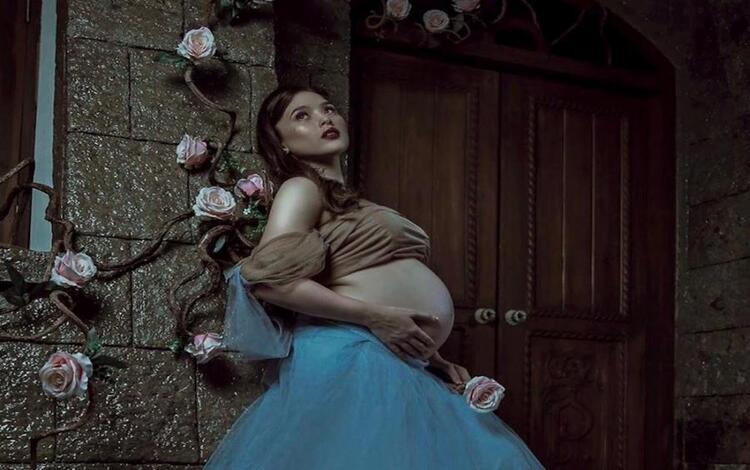
In her heartfelt post, Kylie revealed that after giving birth, she suffered from “binat”—a Filipino term describing lingering complications after childbirth. “I could not walk for about three months without my lower body shaking,” she wrote, adding that she endured constant headaches, nerve pain, and extreme fatigue. Kylie also detailed the difficulty she faced with breastfeeding, stating her second baby struggled to latch, causing her even more stress and anxiety.
“I NEVER THOUGHT I WOULD EVER RECOVER,” she admitted. “My support system then was also lacking.” Despite the darkness she experienced, Kylie emphasized that her financial security gave her some form of cushion. “I had savings. I had the ability to support myself. But not all moms have this.”
Using her platform, Kylie is now calling for greater awareness and support for mothers, particularly in the form of #PaidMaternityLeave and #PostpartumDepressionAwareness. She believes that mothers need more time to rest and recover—physically, mentally, and emotionally—after childbirth.
“Mothers deserve time to rest their bodies and minds after childbirth. They deserve to be able to take care of themselves as well as their children,” she emphasized.
The actress’s honest post has since gained traction online, resonating with many women who have faced similar challenges but felt silenced or unsupported. Kylie hopes that by speaking up, she can help create a world where postpartum issues are no longer stigmatized and where every mother receives the care and understanding she deserves.
The 31-year-old actress, known for her roles in television dramas and her openness about mental health, concluded her post with a rallying cry: “We need a world where everyone feels supported!!!! So our moms can better take care of our children!!!!!”
Her message is now sparking renewed discussions about maternal health policies in the Philippines and the urgent need for systemic support for all mothers, regardless of economic status.