
Renowned Filipino filmmaker Mike de Leon, one of the most influential voices in Philippine cinema, has passed away at the age of 78. The Film Development Council of the Philippines (FDCP) and French film distributor Carlotta Films, which had collaborated with him, confirmed the news on Thursday, August 28.
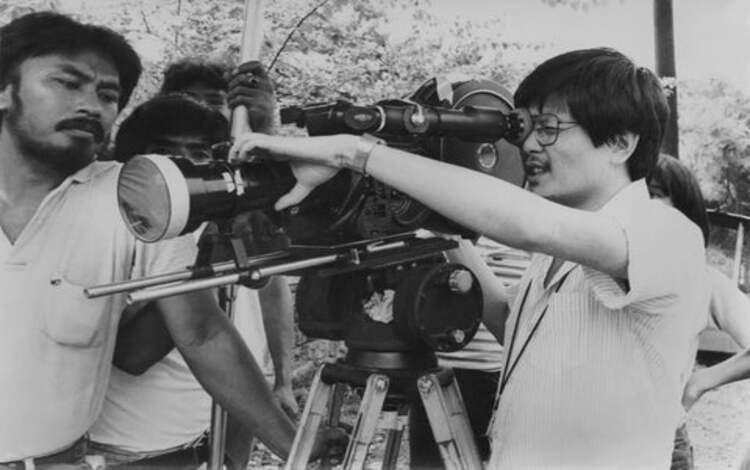
“[His] life was dedicated to film. His consistent imagination to explore the language of cinema shaped what we understand of Philippine filmmaking today,” FDCP Chairman Jose Javier Reyes said in a statement honoring the director.
De Leon came from a family deeply rooted in the film industry. He was the grandson of Narcisa de Leon, the founder of LVN Studios, one of the most prominent film companies in the country. Carrying that legacy, he carved out his own path, pushing the boundaries of storytelling through films that blended artistry with social critique.
His career soared during the Martial Law era, when his works directly confronted pressing political and social issues. Among his most celebrated films are Kisapmata (1981), a chilling family drama; Batch ’81 (1982), a searing commentary on fraternity culture and authoritarianism; and Sister Stella L. (1984), which highlighted labor struggles and activism. His sharp narratives and daring themes made him a central figure in Philippine cinema’s golden age.
Beyond directing, De Leon also produced significant works, including Lino Brocka’s Maynila sa mga Kuko ng Liwanag (1975), considered one of the greatest Filipino films ever made. In 2018, he returned with Citizen Jake, starring journalist Atom Araullo, which again reflected his political convictions.
In 2022, De Leon’s debut film Itim (1976) was featured at Cannes Classics, reaffirming his international stature. Yet even then, he remained outspoken about the country’s political situation, openly criticizing the Marcos family’s return to power. He recalled how his criticism of the Marcos regime in the 1970s once led to his passport being confiscated, preventing him from attending international film festivals.
“Horror has now acquired a more sinister meaning. It is no longer about a ghost but about the monsters of Philippine politics,” he wrote in a statement during the Cannes screening.
De Leon’s passing marks the end of an era for Philippine cinema. His legacy—marked by artistic brilliance, fearless storytelling, and unflinching political engagement—will continue to inspire generations of filmmakers and audiences alike.