
In a recent social media post, lawyer and public commentator Jesus Falsis stirred discussions by referencing claims surrounding Senator Imee Marcos and alleged irregularities in Department of Public Works and Highways (DPWH) projects in the Ilocos region. Falsis’ post follows remarks by Presidential Adviser on Poverty Alleviation Larry Gadon, who alleged that Sen. Marcos has a “bagman” handling funds linked to DPWH initiatives.
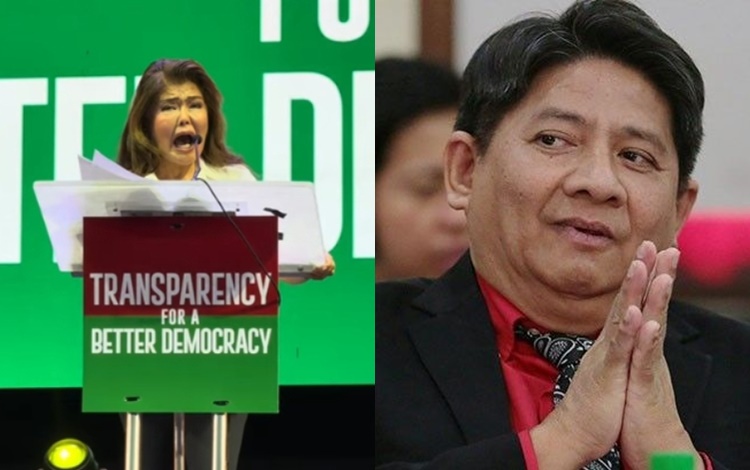
Falsis’ post reads, “BBM has given the go signal na 100% ilaglag na si Imee Marcos. Pag lumabas na daw ang bagman nya from DPWH as a Senator and as Governor of Ilocos Norte eh ipapakulong na ang hilaw na mangga. Laglagan na eto!” This vivid phrasing resonated across social media, generating intense conversations among netizens about political accountability and the influence of familial ties in Philippine governance.
Gadon initially revealed his allegations in response to Sen. Marcos’ own statements about her brother, President Bongbong Marcos, and the broader Marcos family. Gadon accused Sen. Marcos of harboring resentment toward her sibling over political appointments and warned against dragging national issues into personal disputes, stating, “Hindi ka napagbibigyan doon sa mga puwesto na gusto mong ipa-appoint kaya ikaw ay galit na galit sa iyong kapatid. Pero kung galit ka sa kapatid mo, dapat ‘yan ay ipaglihim niyo na lang sa inyong pamilya. Huwag mong idamay ang mga Pilipino [at] Pilipinas.”
Falsis’ post underscores the potential political repercussions of the so-called “bagman” allegations, suggesting that President Marcos may be signaling a decisive move against Imee Marcos once evidence surfaces. His reference to the “hilaw na mangga” metaphorically captures public sentiment around the vulnerability of political figures under scrutiny.
As of now, Senator Imee Marcos has not publicly addressed either Gadon’s claims or Falsis’ post. The intersection of social media commentary and high-profile political accusations reflects the increasingly digital nature of public discourse in the Philippines. Analysts note that posts like Falsis’ can rapidly amplify political controversies, impacting public perception and possibly influencing future administrative or legal actions.