
Google Maps appears to have quietly removed the label “West Philippine Sea” from the western section of the Philippines’ exclusive economic zone (EEZ), sparking renewed concerns about digital mapping and territorial recognition.
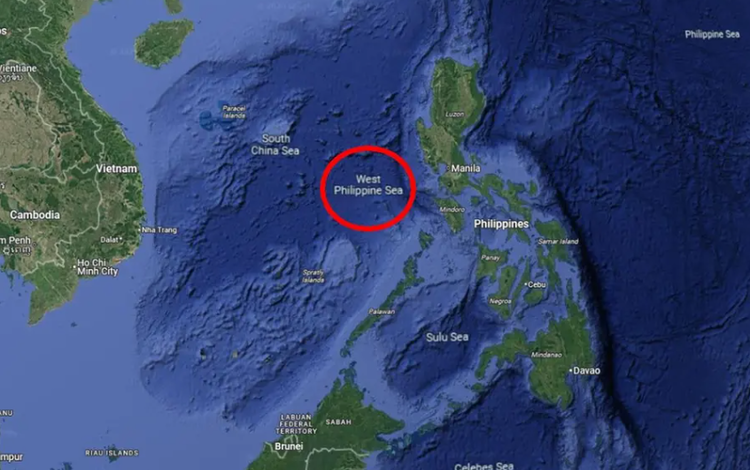
As of Wednesday, April 30, a quick search on the Google Maps mobile app still shows a pin labeled “West Philippine Sea,” but only when directly searched. However, the label is no longer visible when navigating or zooming into the region manually. On the desktop version, neither a pin nor a label appears over the area historically associated with the Philippine government’s assertion of its maritime rights.
The label’s quiet disappearance follows weeks after reports from local media and online users had noted the presence of “West Philippine Sea” on the platform. Its sudden absence has prompted speculation and concern, particularly among observers of the South China Sea dispute.
The term “West Philippine Sea” was institutionalized during the administration of the late President Benigno Aquino III. In 2012, he signed Administrative Order No. 29, officially designating the maritime areas on the western side of the Philippines’ EEZ as the West Philippine Sea. This move was intended to assert the country’s sovereign rights and to strengthen the Philippine government’s position amid China’s increasing maritime activities in the disputed region.
Under the same order, the National Mapping and Resource Information Authority (NAMRIA) was directed to reflect the label on all official government maps and charts. Since then, the term has become a symbol of national identity and resistance against external claims, particularly by China, over parts of the South China Sea.
The removal of the label on Google Maps may raise diplomatic and political concerns, especially as the Philippines continues to assert its rights under the 2016 Hague ruling, which invalidated China’s expansive claims.
Google has not yet stated the change. However, tech companies have long faced scrutiny for how their digital maps reflect politically sensitive areas.
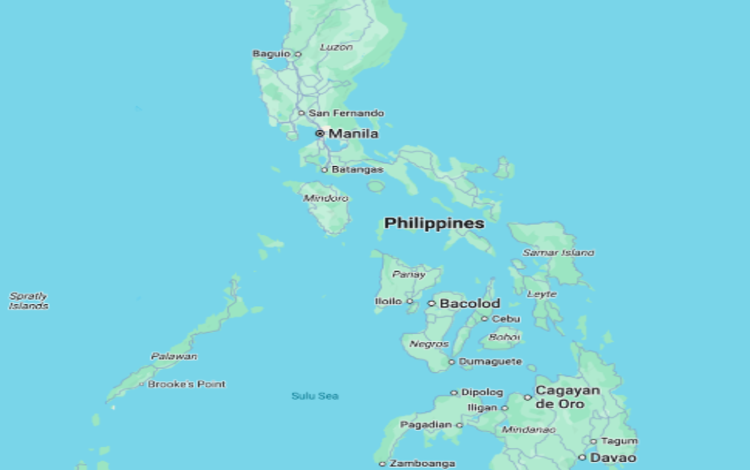
This development is likely to be closely watched by Philippine officials, digital rights advocates, and international observers alike, as it touches on the broader issues of sovereignty, digital influence, and geopolitical representation.
Why the heck did Google remove it? Is it pressure from China? Does China have to influence everything? Even Google?