
Clean election advocates have formally called on the Bureau of Internal Revenue (BIR) to investigate Sen. Rodante Marcoleta following his public admission that he received campaign contributions that were not declared in his official filings. The groups argue that the nondisclosure may constitute violations of the National Internal Revenue Code (NIRC), particularly provisions related to the donor’s tax and possible tax fraud.
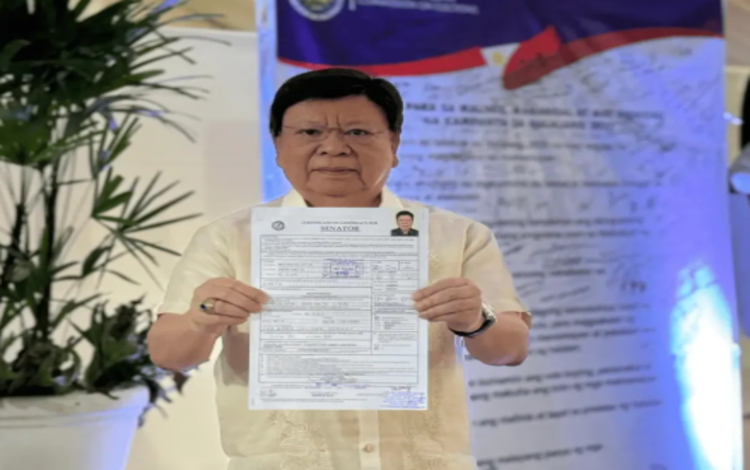
In a three-page letter dated Feb. 24, election watchdog Kontra Daya, led by journalism professor Danilo Arao, and the Advocates of Public Interest Law, headed by lawyer Alexander Lacson, urged BIR Commissioner Charlito Martin Mendoza to launch a fact-finding investigation. The groups cited a television interview in which Marcoleta allegedly acknowledged receiving campaign funds but intentionally declared zero contributions in his sworn Statement of Contributions and Expenditures filed with the Commission on Elections (Comelec).
According to the letter, Marcoleta explained that the omission was deliberate, claiming it was meant to protect the identities of his donors. However, the petitioners stressed that intentional nondisclosure raises not only ethical and election law concerns but also serious tax implications within the BIR’s jurisdiction.
Under the NIRC, donations are generally subject to the donor’s tax, unless specific statutory exemptions apply. The groups emphasized that campaign contributions are not automatically exempt. They noted that exemptions typically require strict compliance with disclosure rules and election regulations. Failure to declare contributions, they argued, could invalidate any claim to exemption and expose donors to potential tax liabilities.
Furthermore, the advocates warned that if any portion of the undeclared funds was diverted for personal use or not spent on legitimate campaign expenses, such amounts could be treated as taxable income on the part of the senator. They added that deliberate concealment may constitute tax evasion if it was intended to avoid the assessment and payment of the donor’s tax or income tax.
“The public admission of deliberate nonreporting strongly suggests willfulness, an essential element of tax fraud under the NIRC,” the groups stated.
They called on the BIR to thoroughly examine the receipt, use, and disposition of the alleged undeclared campaign contributions and determine whether donors’ taxes were properly declared and paid, as well as whether any unreported taxable income should be assessed against Marcoleta.