
Senator Francis “Kiko” Pangilinan has officially taken over the chairmanship of the Senate Committee on Constitutional Amendments and Revision of Codes from Senator Robin Padilla. The transition was confirmed on Tuesday, following a plenary session where Senate President Pro Tempore Jinggoy Estrada approved a motion by Senate Deputy Majority Leader JV Ejercito to elect Pangilinan. No senator voiced any objection to the change.
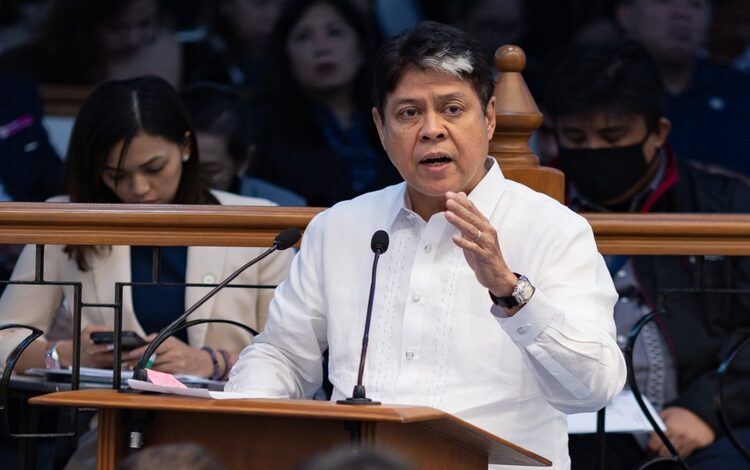
Pangilinan, a seasoned lawyer and former chair of the same committee, expressed his gratitude and commitment to the role. The committee is tasked with handling all matters related to proposed amendments to the 1987 Constitution and revisions to existing legal codes.
“I accept this responsibility with humility and a firm resolve to safeguard the democratic ideals enshrined in our Constitution,” Pangilinan said in his acceptance remarks. “The Constitution belongs to the people, and any move to change it must be anchored on their aspirations and welfare. It must also undergo a thorough, principled, and participatory process.”
The leadership change came after Senate Majority Leader Joel Villanueva hinted on Monday that Padilla might yield the position to Pangilinan. Villanueva noted that being a lawyer was one of the factors considered in determining the most suitable person to lead the committee, given the technical and legal nature of constitutional matters.
Padilla, who has been a vocal proponent of charter change, recently refiled a resolution calling for the revision of the 1987 Constitution through a constitutional convention. While he is stepping down as chair, Padilla remains a member of the committee and is expected to continue advocating for constitutional reforms.
Observers note that Pangilinan’s return to the chairmanship may signal a more measured approach to any proposed changes to the country’s charter. His track record shows an emphasis on broad consultations, transparency, and adherence to democratic processes before pursuing amendments.
The committee’s work is expected to gain heightened attention in the coming months, especially with renewed debates on economic provisions, political reforms, and the overall structure of government. With Pangilinan at the helm, discussions on constitutional amendments may take on a more cautious and deliberate tone, balancing reform initiatives with public trust and participation.
This change in leadership reflects the Senate’s intent to place the committee under the guidance of someone with a strong legal background, as the country faces potentially significant constitutional debates ahead.