
The impeachment process is a constitutional mechanism — not a popularity battle online. This was the firm message delivered by House Justice Committee Chairman Gerville Luistro at the opening of the panel’s hearings on the impeachment complaints filed against Sara Duterte.
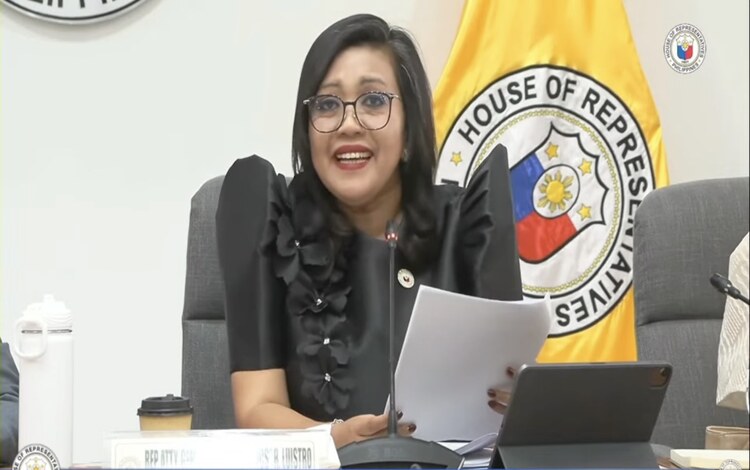
Luistro emphasized that the proceedings must remain grounded in facts, evidence, and the rule of law, amid claims circulating on social media that the allegations against the Vice President are merely “recycled” issues supposedly dismissed by the Supreme Court of the Philippines.
According to the lawmaker, such assertions are misleading and require immediate clarification.
“Let us correct that firmly and factually: The SC did not rule on the merits of the allegations. It did not conduct a trial, it did not weigh evidence, and it did not absolve anyone of wrongdoing,” Luistro said during the hearing.
He explained that the High Court’s previous ruling was limited strictly to the constitutional one-year bar rule on impeachment filings. The decision, he stressed, focused solely on procedural grounds and did not tackle the substance of the accusations.
“Its ruling was limited to the constitutional one-year bar rule — and it emphasized that it did not absolve the Vice President from any of the charges,” Luistro added.
The House Justice Committee began its deliberations by outlining the legal framework that governs impeachment proceedings. Lawmakers underscored that impeachment is a solemn constitutional duty entrusted to Congress, designed to uphold accountability among high-ranking public officials.
Observers note that public discourse surrounding impeachment has increasingly shifted to online platforms, where narratives often spread rapidly without full legal context. Luistro warned against reducing the process to what he described as a “social media contest,” where opinions and trending hashtags risk overshadowing constitutional procedures.
Impeachment, he said, is neither a trial by publicity nor a numbers game driven by online engagement. Instead, it is a structured legal process that requires careful examination of verified documents, sworn statements, and applicable laws.
As the hearings proceed, the committee is expected to determine whether the complaints are sufficient in form and substance. Only after thorough deliberation can the panel decide on the next steps under the Constitution.
For lawmakers, the message is clear: accountability must be pursued through institutions, not through viral posts.