
The Metro Manila Council (MMC) has officially approved a wide-reaching street parking ban on all national primary roads across the National Capital Region (NCR), aiming to ease chronic traffic congestion and ensure smoother vehicular flow.
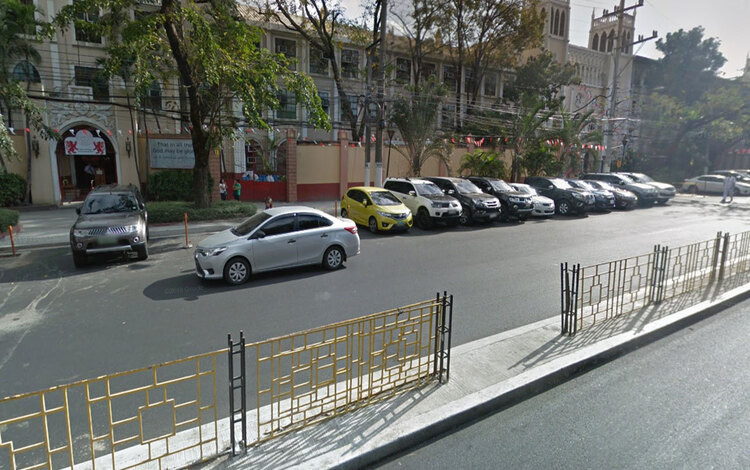
Under the new directive, motorists will no longer be allowed to park along the city’s major road networks, including the Circumferential Roads (C1 to C6) and Radial Roads (R1 to R10), as well as other vital thoroughfares. The move comes as part of intensified efforts to clear road obstructions and promote greater discipline among drivers.
Roads Covered by the Ban
The ban includes key roads such as CM Recto Avenue, Quirino Avenue, Araneta Avenue, EDSA, Katipunan/CP Garcia Avenue, and the Southeast Metro Manila Expressway. Other affected routes include Roxas Boulevard, Taft Avenue, Osmeña Highway, JP Rizal, Ortigas Avenue, Marcos Highway, España Boulevard, Quezon Avenue, Commonwealth Avenue, A. Bonifacio Avenue, Rizal Avenue, McArthur Highway, and R-10 leading to Navotas.
Additionally, Bonifacio Drive, Elliptical Road, Mindanao Avenue, Dr. A. Santos Avenue (Sucat Road), Ninoy Aquino Avenue, Shaw Boulevard, Boni Avenue, and Alabang-Zapote Road are covered. These roads form the backbone of Metro Manila’s transport system, where illegal parking has long contributed to bottlenecks.
Exceptions and Secondary Roads
While the ban is absolute for national primary roads, controlled parking will still be permitted along national secondary roads. However, vehicles may not park during rush hours, specifically from 7:00 a.m. to 10:00 a.m. and 5:00 p.m. to 8:00 p.m. This restriction aims to prevent secondary streets from becoming alternative choke points during peak travel times.
Expected Impact
Authorities believe the ban will significantly reduce daily traffic jams, especially along EDSA, Katipunan, and Roxas Boulevard—some of the busiest corridors in Metro Manila. Clearing illegally parked vehicles is expected to increase road capacity, reduce travel time, and improve public transport efficiency.
The Metropolitan Manila Development Authority (MMDA) will be tasked with enforcing the new rule, supported by local government units. Motorists found violating the ban could face fines, vehicle towing, or both.
While many commuters welcomed the move, some car owners expressed concerns over the lack of affordable parking facilities. Transport advocates stressed that the measure must be accompanied by long-term solutions, such as better public transit systems and expanded off-street parking options, to ensure its success.
The MMC emphasized that the street parking ban is part of a broader campaign to restore order on Metro Manila’s roads and ease the burden of daily commuters.