
The legal battle for former Philippine President Rodrigo Duterte’s interim release from the International Criminal Court (ICC) is far from over. Following the rejection of his initial appeal, his lead defense counsel, Nicholas Kaufman, has announced plans to “reintroduce” the request, hinging the new submission on the forthcoming results of Duterte’s comprehensive medical evaluation.
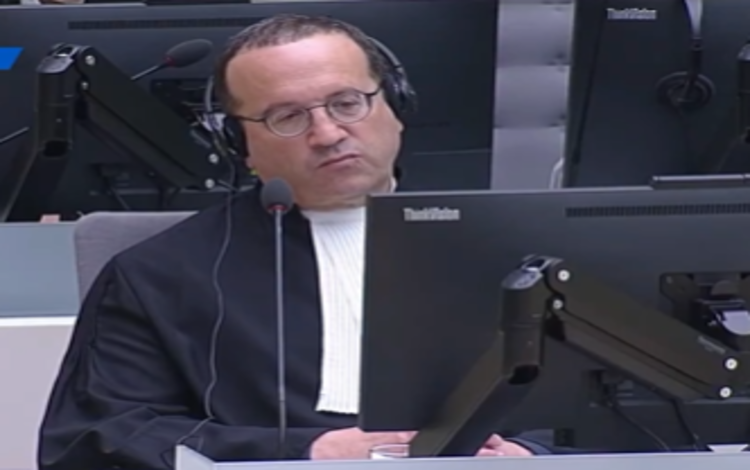
The defense’s initial appeal for interim release—filed on humanitarian grounds and a challenge to the assessment of flight and witness risk—was unanimously rejected by the ICC Appeals Chamber. Counsel Kaufman noted the Chamber’s precedent, stating that it “has never affirmed the interim release of a person charged with crimes against humanity.”
However, the defense sees a clear pathway back to the Pre-Trial Chamber. “The Defence awaits the results of the medical evaluation of the former President due next month and will reintroduce its request to release a man who is 80 years old and, as a result of debilitating physical and cognitive conditions, is incapable of flight or, as alleged, threats to witnesses,” Kaufman said.
The Rome Statute’s ‘Changed Circumstances’ Clause
This strategic move is anchored in Article 60(3) of the Rome Statute, the founding treaty of the ICC. The Statute grants the Pre-Trial Chamber the authority to “periodically review its ruling on the release or detention of the person, and may do so at any time on the request of the Prosecutor or the person.” Crucially, it adds: “Upon such review, it may modify its ruling as to detention, release or conditions of release, if it is satisfied that changed circumstances so require.”
The defense is banking on the medical evaluation results to constitute the necessary “changed circumstances.” By providing verified, formal evidence of the 80-year-old Duterte’s declining physical and cognitive conditions, the defense aims to argue that the previous risk assessments—namely the fear of flight or witness interference—are now demonstrably mitigated.
The ICC judges previously postponed the Confirmation of Charges hearing to allow for a full medical assessment, underscoring the weight the court places on a defendant’s fitness to stand trial. The outcome of this evaluation will therefore not only influence the renewed release request but also impact the schedule and proceedings of the broader crimes against humanity case. The coming month is set to be pivotal as the defense prepares to leverage this new evidence to secure a humanitarian release.