
On the very first day of his term, June 30, 2025, Batangas 1st District Representative Leandro Legarda Leviste made a bold legislative move by filing House Bill No. 27 in the 20th Congress. The proposed bill seeks to grant a P1,000 monthly allowance to all Filipino students—from kindergarten to college—regardless of their socioeconomic background.
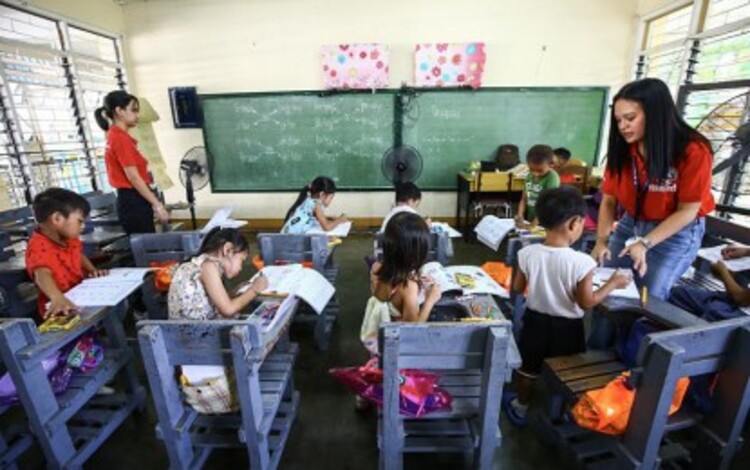
The bill’s objective is to support Filipino learners by easing their financial burdens related to schooling. The allowance is intended to help cover daily necessities such as food, transportation, and educational materials, ultimately encouraging school attendance and improving academic performance across all education levels.
To ensure transparency and efficiency, the bill proposes that the funds be distributed through digital cash transfers, providing students with direct and timely access to their monthly stipend. This digital approach is seen as a way to minimize bureaucracy and prevent fund leakage, enabling equitable access to support.
In addition to government funding, Leviste’s bill also encourages private donations and partnerships with local and international stakeholders to sustain and strengthen the national student allowance program. This component reflects a collaborative approach to addressing long-standing issues of educational inequality and access in the Philippines.
Leviste emphasized that while the Philippines currently offers educational support through various scholarship and subsidy programs, these are often limited to select beneficiaries. In contrast, countries around the world are increasingly offering government-funded provisions for food, transport, technology, and school supplies, benefitting all students.
Before becoming a legislator, Leviste built a career as a young entrepreneur in the renewable energy sector. He brings with him a forward-thinking perspective on policy investments.
“While this may come at a significant cost, this bill is premised on the attractive returns of investing in the education of the next generation, through a program that would efficiently and directly benefit today’s students, who are the country’s future taxpayers,” Leviste said.
If passed, House Bill No. 27 would mark a historic step toward universal educational assistance in the Philippines, aiming to ensure that every Filipino child has a fair chance at success, regardless of their economic status.