
The Department of Health (DOH) announced that it is closely monitoring an uptick in COVID-19 cases in parts of Southeast Asia, though it emphasized there is no cause for alarm in the Philippines at this time.
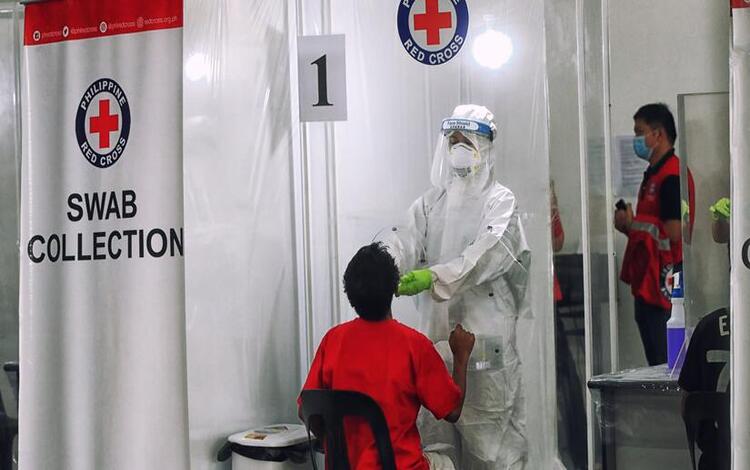
In a statement released this week, the DOH said it is tracking “recently reported increases in specific areas of Southeast Asia” and is coordinating with regional partners through ASEAN mechanisms. While it did not name the affected countries, international health reports have cited a spike in COVID-19 cases in Hong Kong, Singapore, and Thailand throughout 2025.
Despite these developments abroad, the DOH reassured the public that the situation in the Philippines remains under control. “There has been an 87% decrease in cases and fatalities from 2024,” the department noted, reporting only 1,774 COVID-19 cases this year compared to 14,074 in the same period last year.
The DOH also highlighted that the country’s current case fatality rate stands at 1.13%, with a slight downward trend in weekly cases over the past month. From March 23 to April 5, 2025, there were 71 reported cases, which dropped to 65 between April 6 and 19.
Still, health officials are reminding the public to remain vigilant and continue basic health precautions. Recommended measures include wearing face masks in healthcare settings, staying home when sick, covering the mouth when coughing or sneezing, frequent hand washing, and seeking early medical consultation for any symptoms.
Globally, COVID-19 has had a profound impact since its emergence in December 2019. According to the World Health Organization (WHO), more than 777 million cases and over seven million deaths have been reported worldwide. The pandemic severely affected healthcare systems, disrupted economies, and led to widespread lockdowns.
However, by mid-2022, cases and fatalities began to drop due to increased immunity through vaccination and natural infection. The virus also evolved into less severe forms. In May 2023, the WHO declared the end of the emergency phase of the pandemic.
Experts now say COVID-19 is gradually becoming endemic, with occasional flare-ups similar to seasonal flu. The DOH emphasized that continued vigilance and public cooperation are key to managing future outbreaks effectively.